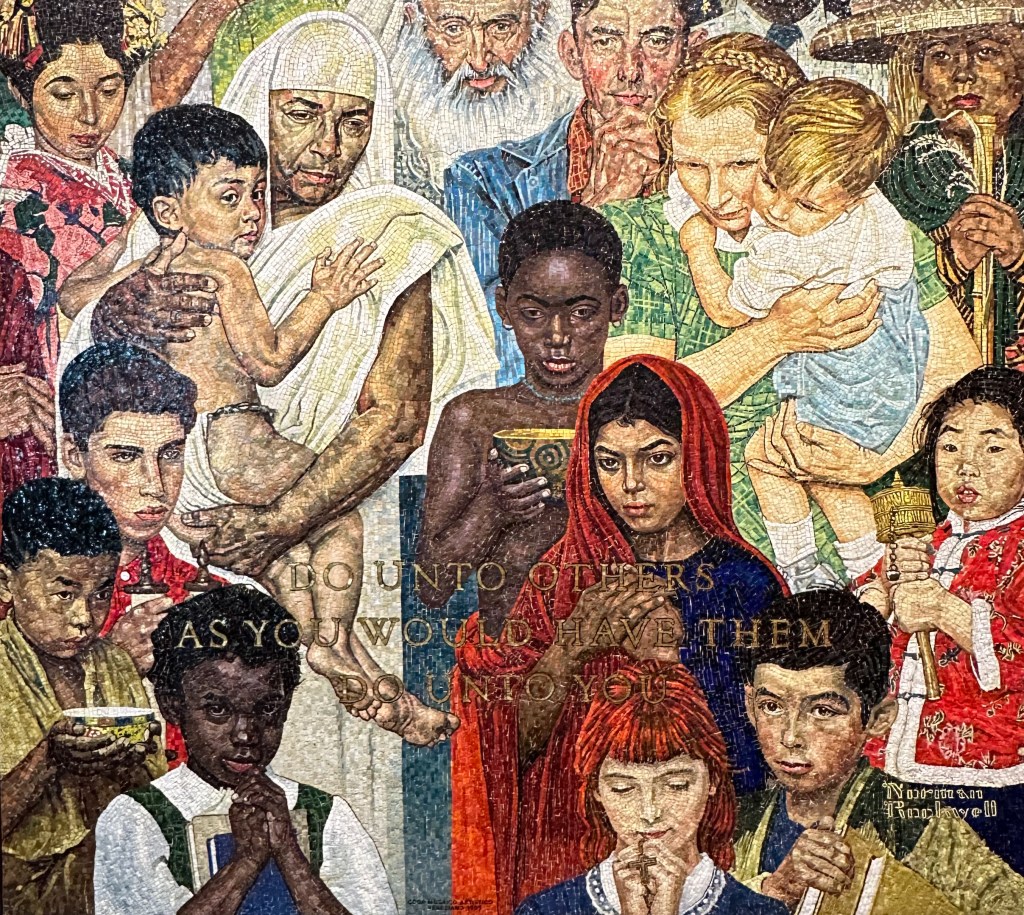
To exist in society, however uncomfortably, is to embody a covenant—a bond of reciprocal moral and ethical duty, to be considerate of, and decent to, other members of society. To be free, we must be committed to and actively supportive of the human rights and liberty of all people.
This bond is all the more salient with respect to people whose circumstances, perspectives, and roles in society, are very different from one’s own. Each of us is protected in our humanity, and in our individual ways of being a free person, by the protection of everyone else.
There is no participant in society who has not relied on shared infrastructure, the actions and inventions of past generations, or the work of others who live and struggle now. The wealthiest people in society are those who have derived the greatest benefit from their dependence on the contributions of others.
And yet, at this moment, people controlling trillions of dollars in market value and hundreds of billions in personal wealth are risking their own legitimacy by behaving as if the most vulnerable in society have no right superior to their own quest for additional capital. This ethical deviation strains the whole of society, because it asks us to confront the possibility that our implicit bond to each other will be nullified.
The implicit human covenant was recognized when people first started organizing into established communities.
- Agriculture was a way of securing basic necessities that was less dangerous and more stable than small bands of hunter-gatherers could achieve.
- In order to make agriculture work, some people needed to do the farm labor, while others needed to establish means of storage and exchange.
- It was necessary to set rules, to establish fair conditions everyone in the society could undertsand, commit to, and uphold.
- Laws, bookkeeping, commerce, and public authority, developed out of this need for coordination of diverse but shared responsibility.
- At the heart of all such endeavors, the most obvious starting point is the Golden Rule: Do unto others as you would have them do to you.
The American Revolution was fought in response to violations of human rights. It was not the right of landowners to do as they wish that motivated a continent-wide rebellion against imperial rule; it was the gross indecency of authoritarian rule, without consideration for the consent of the governed.
The Declaration of Independence makes history not for its defiance or the war that followed, but because its central thesis is that all human beings are equal before God, “endowed with certain unalienable rights” including, but not limited to “life, liberty, and the pursuit of happiness” and that laws and systems of government must honor this fact or lose legitimacy.
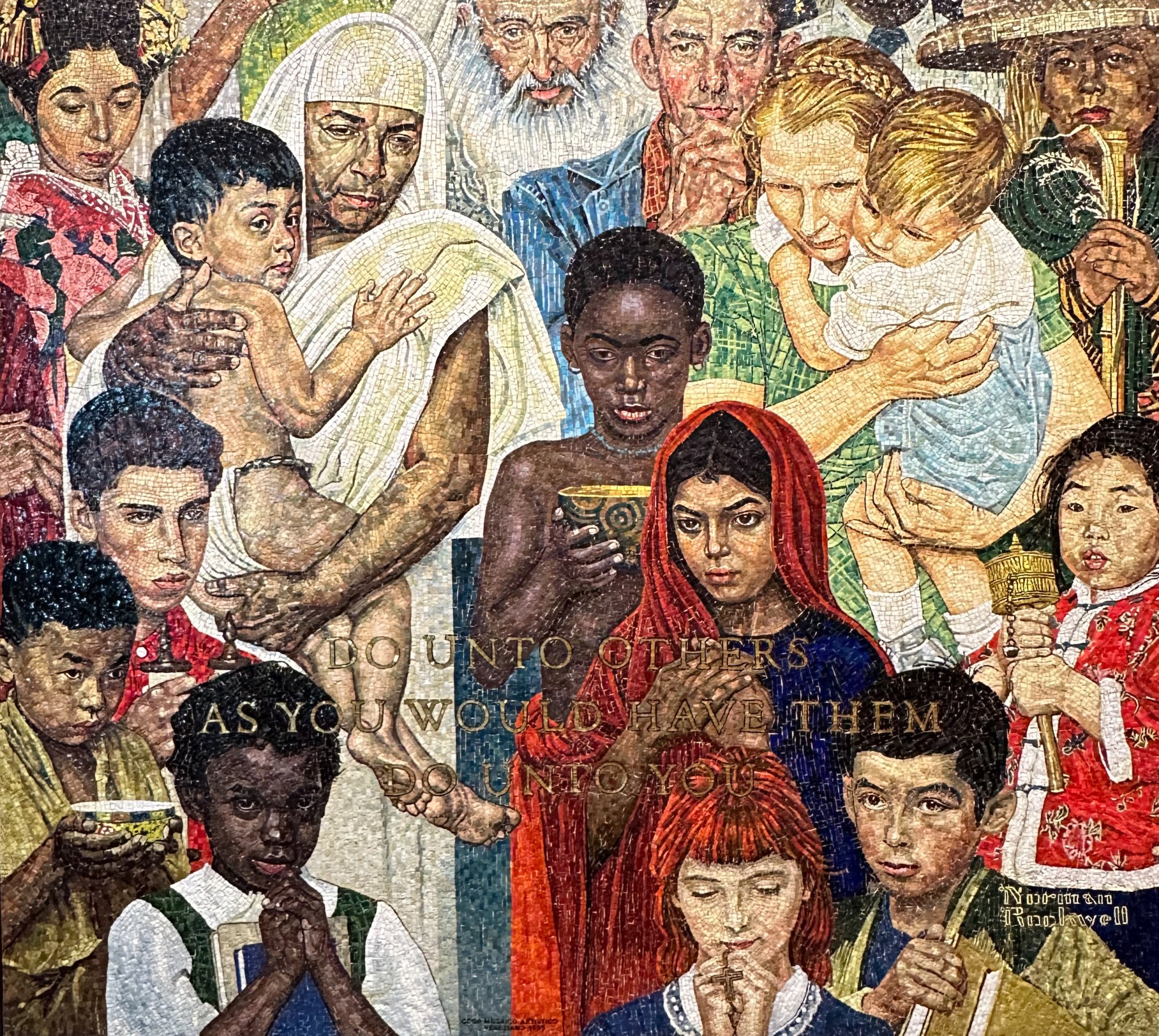
Our humanity requires us to respect and uphold the humanity of others. The terrible injustices that existed then, and which have persisted and evolved through time, must be countered, but they do not erase from existence the foundational covenant to honor the humanity of all.
The Constitution was established to prevent office-holders from committing the abuses detailed in the indictments section of the Declaration. The Bill of Rights translated unalienable rights into overwhelming constraints on the use of power.
- The First Amendment famously prohibits restraints on freedom of speech, religion, reporting or assembly; it also makes it unlawful to abridge the right to seek legal redress.
- The Fifth Amendment makes it unlawful for government to take “life, liberty, or property” from anyone, in any circumstances, “without due process of law”.
- The Eighth Amendment prohibits cruelty.
- The Ninth protects all human rights, even if they are never written into law.
- The Tenth recognizes that the People are the ultimate owners of public authority, not anyone in national government, including the chief executive.
When the United Nations was created, in 1945, at the end of the Second World War, its Charter opened with the words We the Peoples, and was structured to ensure nations could hold each other accountable for violating fundamental human rights. It was an extension of the founding logic of American government—that all people are equal, their human rights inviolable, and abuses must not be tolerated.
These efforts to manifest in law and political process the implicit human covenant are not the whole story. At the start of the 2nd quarter of the 21st century, we are still trying to make this implicit ethical contract the stuff of everyday life.