If you want security and prosperity for your country, you have to deal with climate change. The challenge is not theoretical, and it is not located in faraway places or in the future. The climate challenge is here, now; it is material, and it is one of the factors driving the ever-deeper, compounding polycrisis.
Cost and waste now permeate the everyday economy, layering embedded costs into goods and services of all kinds and pushing up prices. Financial regulators project system-wide collapse if climate disruption is allowed to play out unchecked.
There are many ways to shorthand the best way forward:
- Invest in achieving the Sustainable Development Goals for all of the people in your country.
- De-risk not single investments, but whole value chains, and do so in a cooperative way, to build value for everyone.
- Leverage the Paris Agreement’s call for multilateral cooperation to free your economy from hidden costs.
- Realign everyday food system investments to support climate-resilient development and food security.
- Work backward from the best-case future vision, putting the policies, incentives, and investments in place ASAP.
All of these ways of building a better future revolve around a core idea that is not well understood and not commonly utilized, because there is no universal definition, and because detailed metrics are not commonly applied. That idea is Resilience.
Resilience is commonly described as “the ability to bounce back from a shock” or “the ability to withstand serious hardship”. In relation to climate, it has been controversial, in part because it was interpreted as a call for “doing more with less” or “enduring” impacts that are the result of unjust and imbalanced industrial and financial systems.

Now more than a decade into the time of live-action climate disruption—when risks are not theoretical and impacts are constant and pervasive—we know it must mean a lot more than that. Resilience at the macro-scale is about the ability of entire systems to keep functioning. It is closer to what we would have called Security in the mid to late 20th century.
This is why, in 2015, Christine Lagarde, as Managing Director of the International Monetary Fund, called for attention to macrocritical resilience—sustainable security in terms of our relationship to dynamics that shape the overall economy: food security, education, human rights, equal opportunity, freedom from conflict.
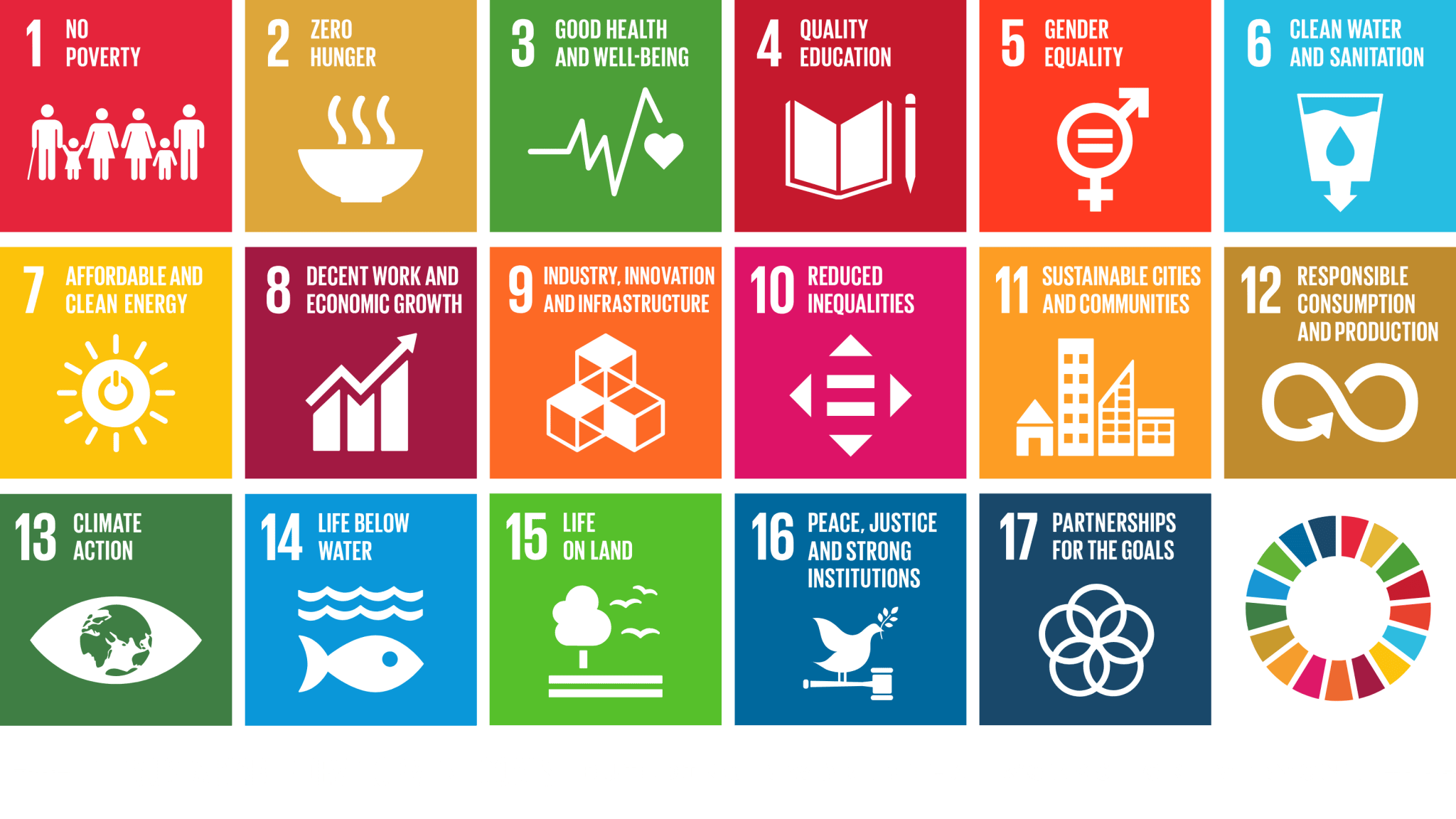
The Sustainable Development Goals are a useful map of macrocritical forces. Where we see progress on these goals, there is greater likelihood of security and prosperity; where we see backsliding—even in wealthy societies—there is greater risk of societal instability and system-level insecurity.
What Lagarde wanted national government leaders to understand was that when two countries present similar budgets, based on similar underlying conditions, but one is stronger in macrocritical terms, those two budgets are not the same. The stronger macrocritical picture indicates a more reliably prosperous future.
Climate disruption plays a cruel game with national investment, policy, and planning. One can do everything right, and still: Climate-related risks and disruptions can undermine macrocritical resilience, making the country less secure, less stable, and less prosperous. This aspect of the climate challenge urgently needs attention, because it is already affecting all nations.
Inflation is one example: Historically, prices could be calibrated through a combination of supply-and-demand adjustments (using subsidies to increase or decrease supply) and monetary policy (making it easier, or harder, to borrow). Climate disruption adds new problems to the mix that are not responsive to these tools.
A central climate-related pricing problem is that most costs are hidden, because polluting industries have relied on society, or vulnerable people specifically, or Nature, to carry those costs by enduring preventable harm. Those hidden costs move through the economy in a nonlinear, compounding way. This makes them costlier and more difficult to address.
Because heat exacerbates underlying conditions, it is often missed as a cause or contributing factor in premature death. An investigation by NPR and Boston University found heat deaths in the United States are likely five times higher than official records show. This is how hidden costs control events, cause devastating harm, and go undetected, unreported, and unaddressed.
Even if you successfully register the significant rise in premature death linked to extreme heat, and save some or most of those lives, climate change is a pervasive, mulidimensional challenge.
- Watersheds will continue to dry out, ecosystems will be displaced, soils will erode, farmlands will be less productive, and food supplies will be less stable.
- Wildfires will spread, floods and droughts will get worse, and public spending will be increasingly devoted to managing disasters, or investing to mitigate their impact.
- Businesses and banks that fall behind, that retain for too long their dependence on pollution profits, will likely experience—or cause—market shocks.
- Entire nations and regions are positioning themselves to be subjected to devastatng economic turmoil, by not adequately building out the resilience economy.
The world where fossil fuels create conflict, and conflict disrupts supplies and pushes up prices and profits, and investments surge, reinforcing the cycle… that world is not sustainable. It cannot continue, because we cannot afford to live in a world where governments have no money to invest in human development, in essential services, including education, health, and safety.
Coming away from COP31—with another agreement that does not genuinely activate national and international instruments of everyday economic development to eliminate pollution and reverse global heating—it is clear we need to evolve our understanding of return on investment. We need to understand how much resilience intelligence is embedded in our choices, and then make the ones that maximize future human security and wellbeing, including by improving and sustaining the health of Nature.
As Earth Civics reported in a new Blue Note on strengthening international climate negotiations and their outcomes:
“Even a 5% realignment of the real spending, investment, and incentives that drive [food-related] losses would redirect on the order of $770 billion per year—far more than the $200-$500 billion FSEC projects the transformation will need each year. Not all hidden costs are controllable by realigned investment, so realignment in relevant areas—agricultural support, fossil fuel-linked incentives, food-sector investment—must run higher wherever real money is moving. Article 6.8 enables multilateral cooperation to make this realignment coordinated and accountable.”
It is possible to internalize external costs to the business models that create them, while shifting new income to households and small businesses, supporting sustainable development, and creating economy-wide market incentives to reduce pollution. Such approaches benefit everyone, restore capital to the everyday economy, and reward industrial actors that build value by eliminating harmful pollution and supporting co-benefits that improve lives.
If you want security and prosperity to be available and durable—even if you are a company or a nation that relies on oil and gas revenues—you must account for hidden costs, layer into your operating model non-polluting practices, and support a rapid transition to clean industry and energy.